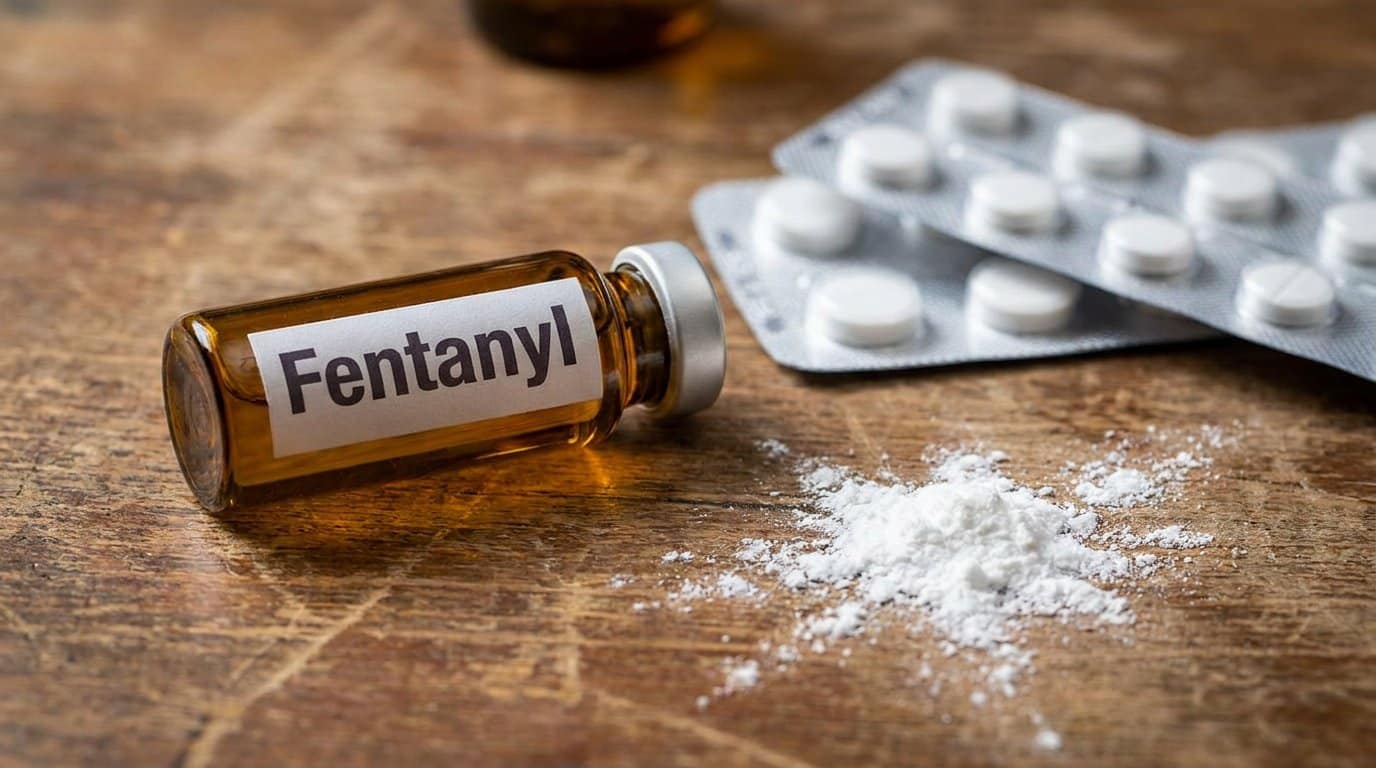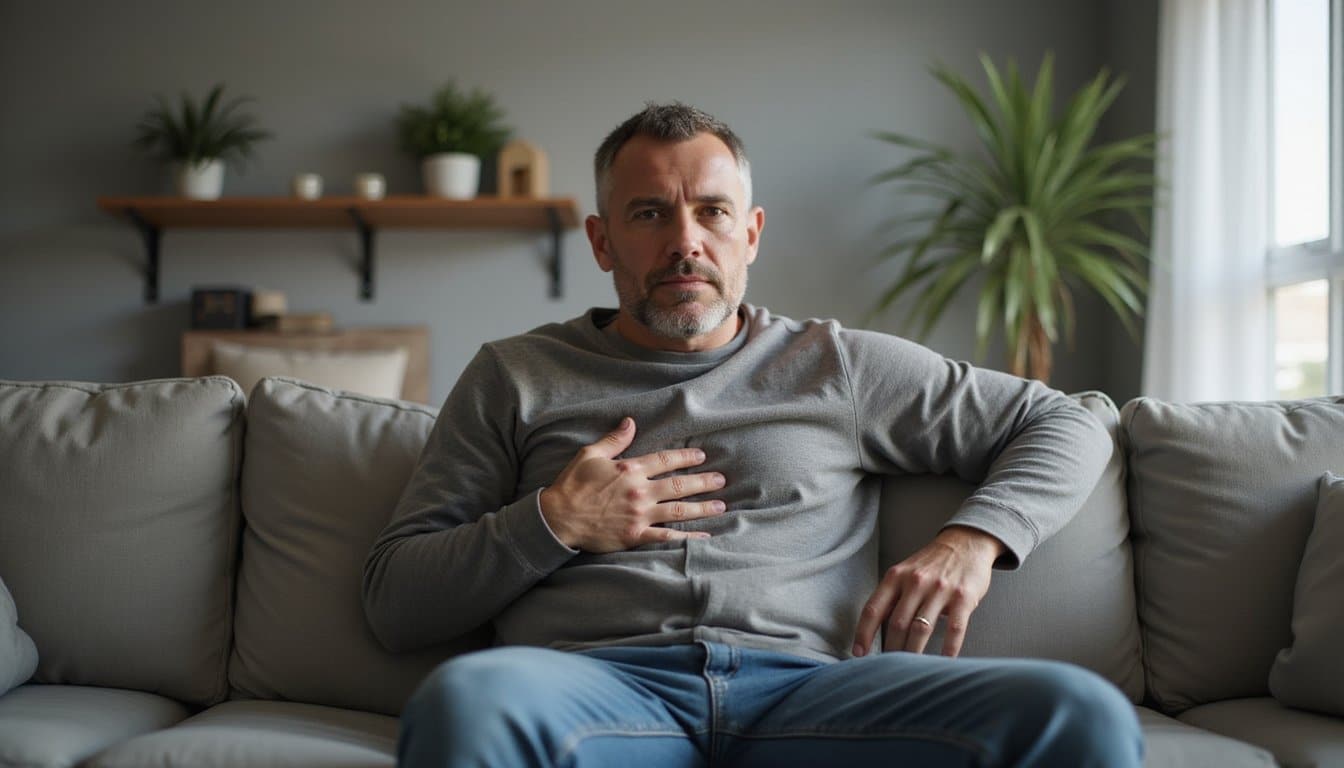
Yes, fentanyl can cause a heart attack. It triggers severe respiratory depression that starves your blood of oxygen, leading to acute coronary syndrome and myocardial infarction. It also directly disrupts your heart’s electrical system by blocking sodium, potassium, and calcium channels, increasing your risk of fatal arrhythmias. Mixing fentanyl with stimulants or depressants amplifies these dangers considerably. Understanding each mechanism can help you recognize warning signs and take steps to protect your heart. Can fentanyl cause liver failure? The drug poses risks beyond just cardiovascular effects, as excessive use can overwhelm the liver, leading to acute liver injury.
What Fentanyl Does to Your Heart at the Cellular Level
When fentanyl enters the bloodstream, its effects extend far beyond the brain’s opioid receptors, it directly disrupts the cellular machinery that keeps your heart beating in rhythm. Research from the Stanford Cardiovascular Institute confirms that fentanyl impairs cardiomyocyte function, disrupts calcium signaling homeostasis, and blocks hERG1a/1b potassium channels, mechanisms essential for coordinated heartbeats. These findings were derived using human induced pluripotent stem cells to model how the heart responds to opioid abuse at the cellular level.
These disruptions prolong repolarization, delaying your heart’s ability to reset between beats. Blocked potassium channels elevate your risk of ventricular arrhythmias and sudden cardiac death. The fentanyl cardiovascular risk intensifies at overdose-level concentrations, where calcium dysregulation triggers beating irregularities that worsen with increased heart rate. When combined with respiratory depression and hypoxia, these cellular-level impairments create a direct pathway to fatal cardiac events.
Why Fentanyl Slows Your Heart and Drops Blood Pressure
When you use fentanyl, the drug activates opioid receptors in your central nervous system that suppress sympathetic nerve activity, directly slowing your heart rate into bradycardia, clinical trials show burst frequency dropping from 17 to 9 bursts per minute during painful stimuli. This autonomic suppression simultaneously reduces your cardiac output and blood pressure, with higher doses (200 micrograms) producing sustained decreases in stroke volume and mean arterial pressure. Notably, the lowest dose of 50 micrograms actually decreased peripheral arterial resistance while increasing stroke volume and cardiac output, illustrating how fentanyl’s cardiovascular effects vary dramatically depending on the amount administered. You should recognize warning signs like dizziness, chest discomfort, irregular heartbeat, and fainting as signals that fentanyl’s cardiovascular depression has reached dangerous levels requiring immediate medical attention.
Bradycardia From Opioid Activation
Fentanyl doesn’t just suppress breathing, it actively slows your heart by hijacking the body’s vagal pathways. When fentanyl binds to opioid receptors in your brain and nervous system, it triggers vagal efferent impulses that reduce your heart rate from a normal 60, 100 beats per minute to as low as 40. Studies confirm that severing the vagus nerve diminishes this effect by 90%, proving central nervous system mediation drives most fentanyl-induced bradycardia.
This fentanyl overdose heart risk extends to your cardiac conduction system directly. Fentanyl suppresses sinoatrial node activity, disrupting the electrical impulses initiating each heartbeat. You may experience fainting, chest pain, dizziness, or dangerous palpitations as your heart struggles to compensate. Long Q-T syndrome can develop even with short-term use, compounding arrhythmia risk considerably. A study of 850,000 individuals found that opioid use is linked to atrial fibrillation, which can cause blood pooling in the heart chambers and significantly elevate clotting risks.
Blood Pressure Dysregulation Effects
Beyond its well-documented effects on heart rate, fentanyl actively disrupts your body’s ability to maintain stable blood pressure, a consequence that compounds cardiac risk considerably. Research shows fentanyl reduces systolic blood pressure at rest and blunts normal cardiovascular responses during stress, with mean BP attenuation reaching a Cohen’s d of 0.68. Immediate effects of fentanyl can lead to severe complications in both healthy individuals and those with pre-existing conditions. Clinicians need to monitor patients closely for signs of impaired cardiac function as these immediate effects can escalate quickly.
These blood pressure dysregulation effects intensify when you’re volume-depleted or taking concurrent CNS depressants. Even small doses of diazepam combined with fentanyl can trigger cardiovascular depression. Elderly patients face heightened vulnerability, experiencing BP decreases during anesthesia induction.
The opioid cardiovascular dangers extend further: fentanyl reduces cardiac output without compensatory increases in vascular conductance, starving tissues of oxygen. Severe hypotension and orthostatic instability represent documented life-threatening complications requiring immediate clinical intervention. Fentanyl long term side effects can include a range of debilitating health issues, such as respiratory depression and cognitive impairment. These consequences may not be immediately apparent but can have profound implications for an individual’s overall well-being.
Cardiovascular Stress Warning Signs
Because fentanyl binds directly to opioid receptors in the heart and brainstem, it triggers bradycardia, an abnormally slow heartbeat that reduces the heart’s ability to circulate blood effectively. You’ll experience decreased cardiac output, leading to dizziness, fatigue, and fainting. Fentanyl also provokes arrhythmias, irregular heartbeat patterns that compound cardiovascular strain and elevate your risk for serious cardiac complications that opioids are known to cause. Does fentanyl affect blood pressure? Research indicates that fentanyl can lead to hypotension, or low blood pressure, which may exacerbate the onset of dizziness and fainting spells.
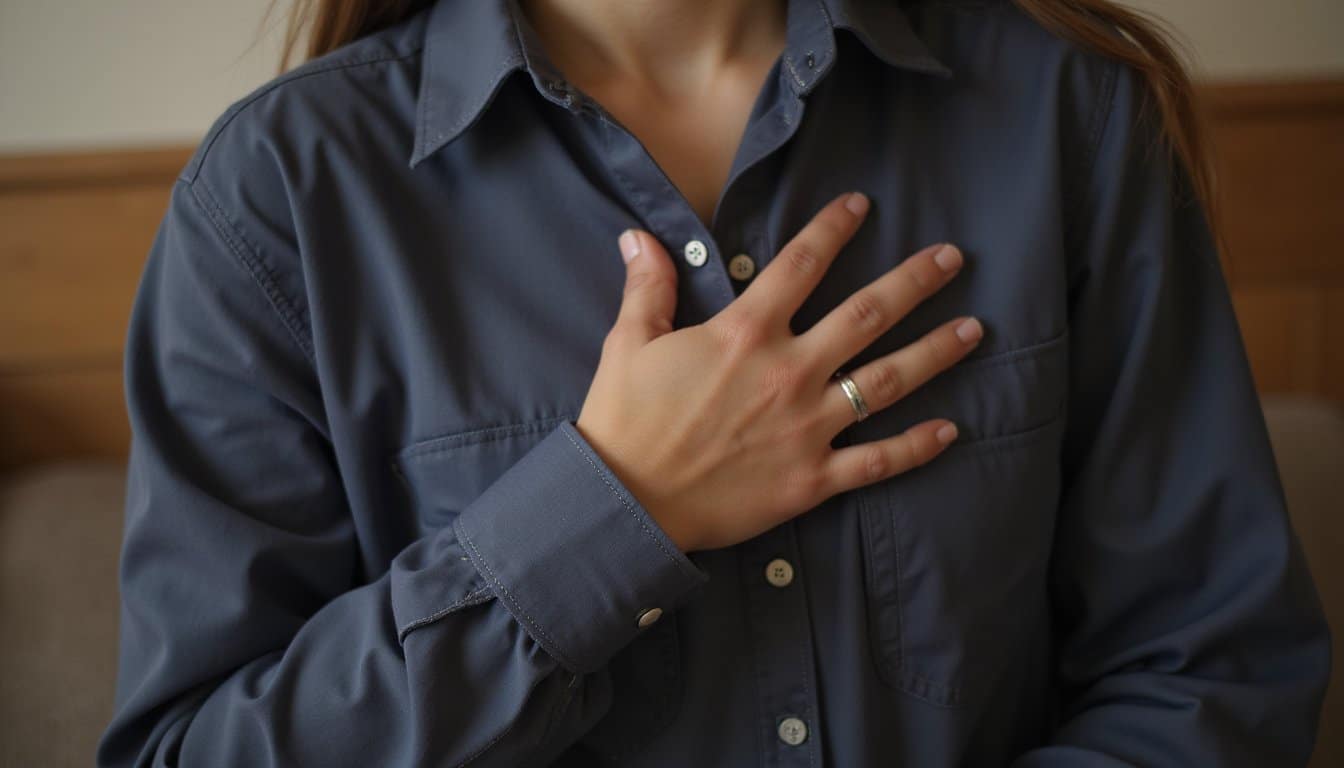
Watch for these acute warning signs: chest pressure, tightness, or squeezing sensations indicating cardiac distress. Cold, clammy extremities signal your body’s redirecting blood flow to protect essential organs. Pale or grayish skin reflects compromised peripheral circulation. If you notice a rapid or irregular heartbeat alongside lightheadedness, seek immediate medical evaluation. These symptoms collectively indicate fentanyl-induced cardiovascular stress requiring urgent clinical intervention.
How Fentanyl Disrupts Your Heart’s Electrical Rhythm
When fentanyl binds to opioid receptors in cardiac tissue and the nervous system, it directly alters the electrical impulses that regulate your heartbeat. This activation slows cardiac conduction, depresses heart muscle relaxation, and disrupts calcium signaling homeostasis, contributing to serious opioid heart complications.
Research identifies several key mechanisms of electrical disruption:
Fentanyl disrupts the heart’s electrical system through multiple mechanisms, compounding risks that demand vigilant cardiac monitoring.
- Calcium dysregulation impairs intracellular homeostasis in cardiomyocytes, directly triggering arrhythmogenesis
- QT interval prolongation follows a dose-dependent pattern, with high-dose fentanyl (5 μg/kg) greatly increasing the probability
- Atrial fibrillation risk rises with opioid use, as documented in a study of 850,000 individuals
- Arrhythmias worsen under elevated heart rate conditions, causing cardiac tissue to quiver rather than contract effectively
These compounding electrical disturbances demand vigilant cardiac monitoring during any fentanyl exposure.
Why Mixing Fentanyl With Other Drugs Multiplies the Risk

When you combine fentanyl with other substances, whether opioids, benzodiazepines, stimulants, or emerging adulterants like xylazine, you create synergistic or opposing pharmacological effects that dramatically amplify cardiovascular toxicity beyond what either drug produces alone. Stimulants like cocaine force your heart rate up while fentanyl drives it down, placing extreme strain on cardiac function and increasing your risk of acute myocardial infarction. These dangerous interactions are a primary driver behind the surge in overdose deaths, which climbed from 57,834 to 71,238 synthetic opioid fatalities between 2020 and 2021.
Dangerous Drug Combination Effects
Fentanyl’s cardiovascular risks escalate sharply once other substances enter the equation. When you combine fentanyl with other depressants, the fentanyl overdose heart effects multiply beyond what either drug produces alone. Key dangerous combinations include:
- Benzodiazepines: Overdose death rates are 10 times higher than with opioids alone, with both drugs creating multiplicative respiratory and cardiac depression.
- Cocaine: Creates a critical mismatch, cocaine increases your heart’s oxygen demand while fentanyl suppresses breathing, starving the myocardium of oxygen.
- Other opioids: Compounded respiratory depression can stop breathing entirely, triggering hypoxia-driven cardiac arrest.
- Alcohol: Enhances GABA activity alongside fentanyl, producing profound sedation and severe respiratory failure.
The FDA’s black box warnings confirm these combinations represent the highest-risk drug interactions for fatal cardiac events.
Amplified Cardiovascular Toxicity
Because each substance in a polydrug combination introduces its own pathway to cardiac dysfunction, mixing fentanyl with other drugs doesn’t just add risk, it multiplies it. Your body’s compensatory cardiovascular mechanisms become overwhelmed, accelerating progression toward heart attack, arrhythmias, and hemodynamic collapse.
| Drug Combined With Fentanyl | Primary Cardiovascular Threat |
|---|---|
| Cocaine | Sudden cardiac death from opposing bradycardic and sympathomimetic effects |
| Xylazine (high dose) | Cardiogenic shock with 100% mortality in animal models |
| Benzodiazepines | Compounded respiratory depression causing severe hypoxemia |
| Methamphetamine | QTc prolongation and acute coronary syndrome |
| Alcohol | Cardiovascular collapse from multiplicative CNS depression |
These combinations create compounding metabolic and electrical disturbances in cardiac tissue. You’re not facing one threat, you’re facing simultaneous, interacting mechanisms that dramatically elevate your heart attack risk.
Increased Overdose Death Risk
Each substance mixed with fentanyl introduces a distinct physiological threat, yet the combined effect isn’t simply additive, it’s multiplicative, dramatically increasing your risk of fatal overdose.
When evaluating whether fentanyl can cause a heart attack, polysubstance combinations escalate cardiac risk through compounded physiological stress:
- Opioid co-use synergizes with respiratory depression, accelerating fatal hypoxia that starves your heart of oxygen
- Stimulant combinations mask overdose warning signs, delaying critical emergency intervention while cardiovascular strain intensifies
- Alcohol compounds central nervous system depression, producing dangerously slowed breathing that precipitates cardiac events
- Xylazine creates extreme sedation requiring multiple naloxone doses, while causing life-threatening hypotension and bradycardia
Stimulants represented the most common drug class in fentanyl-involved overdoses across every U.S. state in 2021, underscoring polysubstance use as the primary driver of overdose fatalities.
Can Fentanyl Cause a Heart Attack?

How exactly does a synthetic opioid designed for pain management trigger life-threatening cardiac events? Fentanyl doesn’t always attack your heart directly, it creates the conditions for cardiac catastrophe. When you’re exposed to fentanyl, severe respiratory depression depletes oxygen in your arterial blood, placing acute stress on cardiac tissue. Simultaneously, fentanyl blocks sodium, potassium, and calcium channels in your heart, disrupting electrical conduction and rhythm.
If you’re wondering if opioids cause heart attacks, the clinical evidence confirms fentanyl’s association with acute coronary syndrome. Bradycardia, hypotension, and reduced cardiac contractility combine to precipitate myocardial infarction, arrhythmias, and sudden cardiac death. Fentanyl-related cardiac arrests disproportionately strike younger individuals, often occurring without witnesses. Pre-existing cardiovascular disease amplifies your risk, but cardiomyopathy can develop even without prior heart conditions.
What Chronic Fentanyl Use Does to Your Heart Long-Term
While a single fentanyl exposure can trigger acute cardiac events, chronic use inflicts progressive, compounding damage to your heart’s structure, rhythm, and oxygen delivery systems. Over time, persistent opioid exposure weakens your myocardium, increasing the risk of cardiomyopathy and left ventricular dysfunction.
The chronic fentanyl use heart risk profile includes:
- Cardiac rhythm deterioration: Sustained bradycardia and QTc prolongation destabilize your heart’s electrical conduction
- Structural remodeling: Cardiomyopathy develops as the heart muscle weakens, reducing ejection fraction
- Coronary artery disease acceleration: Arterial damage and plaque progression restrict blood flow to cardiac tissue
- Chronic hypoxemia: Persistent respiratory depression starves your heart of oxygen, forcing compensatory overwork
These compounding effects greatly elevate your risk for congestive heart failure, acute coronary syndrome, and sudden cardiac death with prolonged exposure.
How to Protect Your Heart and Reduce Cardiac Risk
Because fentanyl’s cardiovascular risks compound with every exposure, taking deliberate steps to protect your heart isn’t optional, it’s medically urgent. Request baseline electrocardiograms and regular QTc interval monitoring to detect electrical abnormalities early. Monitor your heart rate and blood pressure consistently during treatment to identify bradycardia or arrhythmias before they escalate.
Reduce cardiac risk by working with your healthcare provider to taper fentanyl dosage safely. Avoid combining fentanyl with stimulants or other opioids that amplify cardiovascular strain. Adopt heart-healthy dietary practices, limit sodium, saturated fat, and processed foods while maintaining a healthy body weight.
Seek structured addiction treatment that coordinates care between addiction specialists and cardiologists. Recognize warning signs, chest pain, irregular heartbeat, dizziness, and pursue immediate medical attention. Keep naloxone accessible to prevent overdose-related cardiac arrest.
Call Today and Step Into Recovery
Long-term fentanyl use can lead to dangerous effects on multiple parts of the body, but compassionate care can pave the way to lasting healing. At Pinnacle Detox & Recovery in Pasadena, we provide reliable Fentanyl Addiction Treatment created to support you in moving safely toward a healthier, more hopeful future. Call (626) 323-8629 today and start building a brighter tomorrow.
Frequently Asked Questions
Can a Single Dose of Fentanyl Cause Permanent Heart Damage?
Yes, a single dose of fentanyl can cause permanent heart damage. Even without prior cardiac disease, you can develop acute cardiomyopathy and heart failure with reduced ejection fraction from one exposure. Severe hypoxemia and direct opioid receptor-mediated cardiac depression can trigger irreversible structural damage. If you’ve experienced fentanyl exposure, you’ll need heart function monitoring for at least 12 to 24 hours, as lasting dysrhythmias and reduced cardiac output may require ongoing management.
Does Fentanyl Affect the Heart Differently in Younger Versus Older Adults?
Yes, fentanyl can affect your heart differently depending on your age. If you’re older, you’re more likely to have pre-existing cardiovascular conditions that increase your vulnerability to fentanyl-induced hypoxia and hypotension. However, younger adults aren’t immune, case reports document fentanyl-induced cardiomyopathy in individuals as young as 35. Your age influences how your body metabolizes fentanyl, but current research lacks sufficient comparative data to define precise age-specific cardiac risk thresholds.
Can Fentanyl-Related Heart Damage Be Reversed With Proper Medical Treatment?
Current clinical literature doesn’t fully address whether you can reverse fentanyl-related heart damage. Doctors can stabilize your condition using inotropic support like dobutamine, vasopressors, and ventilation to restore cardiac function acutely. However, documented evidence confirming complete reversal of structural cardiac changes remains limited. Your recovery depends on early intervention, damage severity, and pre-existing conditions. You should know that long-term outcomes for fentanyl-induced cardiomyopathy still require further clinical investigation to establish clear recovery expectations.
How Quickly Should Naloxone Be Given to Prevent Cardiac Complications?
You should administer naloxone immediately upon recognizing overdose signs, as every minute of oxygen deprivation increases your cardiac risk. While naloxone effectively reverses respiratory depression, it doesn’t fully reverse fentanyl’s direct cardiac effects, including bradycardia and reduced contractility. You’ll still need emergency medical intervention even after naloxone administration. Early action prevents the hypoxia cascade that triggers cardiac arrest, but precise timing guidelines for cardiac-specific protection require further clinical research.
Are Fentanyl Patches Safer for the Heart Than Intravenous Fentanyl?
There isn’t enough comparative clinical data to definitively confirm that fentanyl patches are safer for your heart than intravenous fentanyl. However, patches deliver fentanyl gradually, which typically produces less abrupt changes in your heart rate and blood pressure. Intravenous fentanyl acts rapidly and can cause sudden bradycardia and hypotension, potentially increasing cardiac stress. You should discuss your cardiovascular risk factors with your doctor to determine the safest delivery method.